His Life, His Legacy, and Our Responsibility
Closing the Wealth Gap
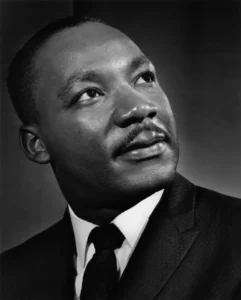
When we reflect on the struggle for freedom, justice, and equality in America, one name rises above generations: Martin Luther King Jr.. Dr. King’s life was not just about civil rights—it was about economic justice, dignity, and creating pathways for Black people to thrive despite systemic opposition.
At BlackProtector.com, honoring Dr. King means more than remembering his speeches. It means continuing his unfinished work, especially as it relates to closing the racial wealth gap.
The History and Times That Shaped Dr. King
Dr. King was born on January 15, 1929, in Atlanta, Georgia, during a time when segregation, voter suppression, and racial violence were deeply embedded in American society. Jim Crow laws restricted where Black people could live, work, learn, and even dream.
While many remember Dr. King for fighting racial segregation, fewer recognize that he consistently addressed economic exploitation, calling it one of the “triple evils” alongside racism and militarism. He understood that freedom without financial stability was incomplete.
A Life Dedicated to Justice and Economic Dignity
Dr. King believed that nonviolent resistance was a tool not just for moral change, but for structural change. He led boycotts, marches, and campaigns that directly challenged systems harming Black families economically—most notably:
-
The Montgomery Bus Boycott, which targeted unfair labor and transportation practices
-
Advocacy for fair wages, union rights, and worker protections
-
The Poor People’s Campaign, focused on economic justice for all marginalized Americans
Before his assassination in 1968, Dr. King was increasingly vocal about wealth inequality, stating clearly that America owed Black people reparative justice, not charity.
Dr. King’s Legacy: Beyond the Dream
Dr. King’s “I Have a Dream” speech is often quoted—but too often sanitized. His dream was not passive hope. It was an action plan rooted in:
-
Ownership
-
Access to capital
-
Fair housing
-
Education tied to opportunity
-
Collective responsibility
He warned that Black progress would always face backlash, resistance, and organized opposition. Yet, he urged persistence, discipline, and unity.
That warning remains deeply relevant today.
Where We Are Now: The Wealth Gap Reality
Today, the racial wealth gap remains one of the most enduring legacies of slavery, segregation, and discriminatory policy. Black families, on average, hold a fraction of the wealth of white families—not because of lack of effort, but because of systemic barriers.
Negative opposition still exists:
-
Discriminatory lending practices
-
Underfunded schools
-
Barriers to business capital
-
Attacks on Black history, voting rights, and economic programs
Dr. King anticipated this resistance. His response was clear: organized, intentional economic empowerment.
What We Must Be Doing Right Now
Honoring Dr. King in 2026 and beyond requires action, not just remembrance.
1. Build and Protect Black Wealth
-
Prioritize homeownership, land ownership, and property investment
-
Support Black-owned banks, credit unions, and financial institutions
-
Create family trusts, wills, and estate plans
2. Support Black Business Ecosystems
-
Buy Black—consistently, not occasionally
-
Invest in Black entrepreneurs and startups
-
Share resources, contracts, and opportunities
3. Teach Financial Literacy Across Generations
-
Normalize conversations about money, credit, and investing
-
Teach children about ownership early
-
Replace survival thinking with legacy thinking
4. Organize Collectively
-
Pool resources through cooperatives and investment groups
-
Support community land trusts and housing initiatives
-
Engage in civic action that protects economic interests
5. Stay Focused Despite Opposition
Dr. King knew opposition was inevitable. Progress has always been met with resistance. The key is discipline, unity, and long-term vision.
Closing the Gap Is the Modern Civil Rights Movement
Dr. Martin Luther King Jr.’s legacy demands that we recognize this truth:
Economic justice is civil rights.
At BlackProtector.com, we believe protecting Black people means protecting:
-
Our assets
-
Our families
-
Our businesses
-
Our future
Dr. King showed us the path. It is now our responsibility to walk it—strategically, collectively, and unapologetically.
The dream is still alive.
The work is not finished.
And the time is now.